Welcome to HGVS™ InfoVault™

HGVS™ is a program designed as a catalyst for local Community HealthCare and medical diagnostic and treatment innovation, incorporating advanced artificial intelligence, machine learning and new forms of artificial general and expert intelligence.

This O|Zone™ Initiative seeks to enable DX-Digital Transformation of healthcare in 3,300+ counties and parishes across America.

DX - Digital
Transformation

HGVS™ seeks to excel at the forefront of digital transformation of medical care facilities and preventative wellness, vitality and health care.

Partnering with O|Zone™ Emergency | Services | Facilities Initiative, HGVS is focused on providing advanced Internet of Things (IOT) and ai compute systems in Medical Facilities, as well as expanding rural Community healthcare facilities, equipment and staffing.

These objectives are designed to benefit from O|Zone™ Port Authority Opportunity Zone™ Initiative and advanced Qualified Opportunity Zone technologies.

O|Zone's US focus is on establishing participating facilities in 3,300+ counties in the United States, through 330 Port Authority Opportunity Zones, each a geographic catalyst for local Community development, funding, economic growth and environmental, social and governance initiatives.

HGVS™ Controllable Electronic Records

Global Medical Digital IP CERs

HGVS™ has as a primary focus to design, construct and deliver containerised medical testing and treatment facilities for rural and specialty use areas, with video link and high speed internet functionality, at Net Zero emissions.

Financing of receivables and capital expenditures is another primary focus.

Application of HGVS CERs as a means of recognising Intellectual Property and Intangible Rights between medical providers and their patients, as well as means of establishing compensation between parties, is at the centre of HGVS CERs.  

This private ecosystem is designed to capture value in intellectual property derived and reference data related to global healthcare, its advancement, application of enhanced value to investments in facilities, equipment and new Digital Transformation, as well as benefiting patients and medical professionals with advanced research and ai applications of patient data.

Open Source 
Digital Records

Diagnosis
Procedures
Risk Factors
Results

At the centre of HGVS's patient privacy focus is use of open source records schema technology and collaboration in diagnostics, procedures, risk factors, research and results.

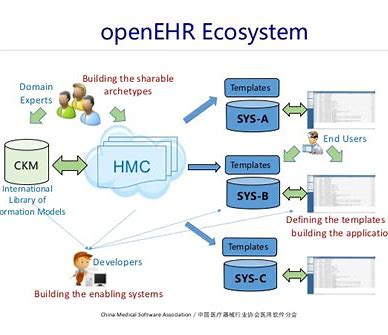
Beginning with the great work of openEHR, HGVS team is expanding libraries with advanced technologies which support hospitals and governments including Hong Kong Health Care system, Government of New Zealand and other medical facilities around the world.

A common framework enables medical community and patients to integrate HUMAN data and content containers, synchronising applicable data elements between patients and medical providers.

This standard also enables global collection of medical data, HUMAN traits, DNA records and environmental conditions in a standardised, modular and well-defined manner.

HGVS envisions potential for this ever expanding anonymous global data sync to be useful, particularly when a patient's data can be used in context while protecting personal privacy of patient and that of medical providers.

The Universal Data Sync is to be available to global researchers, medical professionals and other accredited participants.

While some research time and data usage will be available on a "no or limited cost basis", revenue is to support payments to individual and medical professional contributors.

My Privacy Is Mine

Personal privacy protected through quantum encrypted InfoVault™, in your possession, on your edge device and/or in your personal cloud.

Restoring
Personal Privacy

My Data is My Data

The value and usefulness of personal data has been demonstrated over and over again in the past two decades. Yet, for many individuals, benefits received for giving up their privacy and data may be viewed as far less than the value to those how profited from their data and at times has restricted their use of it.

HGVS™ has a fundamentally different focus. Your Data is Your Data! It should be kept with your person, within your abode, on your devices and/or in your personal cloud.

Next, we believe if you wish to share it, that sharing should be on your terms. If you wish it to be anonymous, then so be it. Where the context involves your personal information, then respected.

Benefits

HGVS™ has identified various approaches to assisting individuals in monetizing their health data.


That's the vision of HGVS™ - one of assisting parties in use of their data and receiving benefits for such use.

An individual is able to enroll a mobile phone, tablet or other devices as "edge nodes" on Calypso|Cumulus|Edge™ medical grade private network.

A person may benefit from FlexRewards™ by aligning with participating Hospitals, Doctors, Prevention Clinics and providers.

Use of FlexRewards may offset deductibles, co-pays, pay for fitness and health related training, preventative testing, spa memberships and wellness services.

Early Medical Claims Processing

As a bit of history, Douglas L. King joined with John T. Oakes in developing and implementing an early adaptation of these decentralised computing resources for doctors, hospitals, nursing homes, home health care and other medical professionals to facilitate use of version 1 of diagnostic and procedure codes for processing health claims to insurance companies and Medicare in the late 1970s.

In addition, Oakes programmed one of the earliest third-party health, pharmacy, workers compensation claims administration systems for ERISA employer health care trusts for hospital, doctors, workers compensation, and pharmacy claims. 

King developed one of the first aggregate and specific reinsurance coverage programs for ERISA health care trust funds and established one of the earliest medical accounts receivable collections firms.

Underlying information technology systems were decentralised IT systems using token communications between components, long before Web 3.0.